
Automobile Engineering Admission Guidance
At a glance

Most education consultants cover every subject under the sun. We chose one. Everything we do is shaped around automobile and automotive engineering: the programs, the entrance tests, the workshops, the career routes and the kind of student who thrives in them.
That focus means our advice is specific. We can tell you how a mechanical engineering degree with an automotive elective differs from a dedicated automobile engineering program, which specialisations are attracting industry investment, and what an admissions panel expects to hear when you explain why you want to design vehicles.
We work with school leavers, diploma holders planning a degree, and graduates aiming for a master’s in electric vehicles, vehicle dynamics or manufacturing. Each plan is written for one student and reviewed at every stage.
01
02
03
01
02
03
04
05
Automobile engineering is broad. Some students love combustion and thermodynamics; others are drawn to battery chemistry, control software or the craft of styling a car body. Choosing a program without knowing these differences is how good students end up in the wrong course.
Our program guide breaks the field down into clear pathways and specialisations, with the subjects you will study and the roles each one leads to.
A changing industry
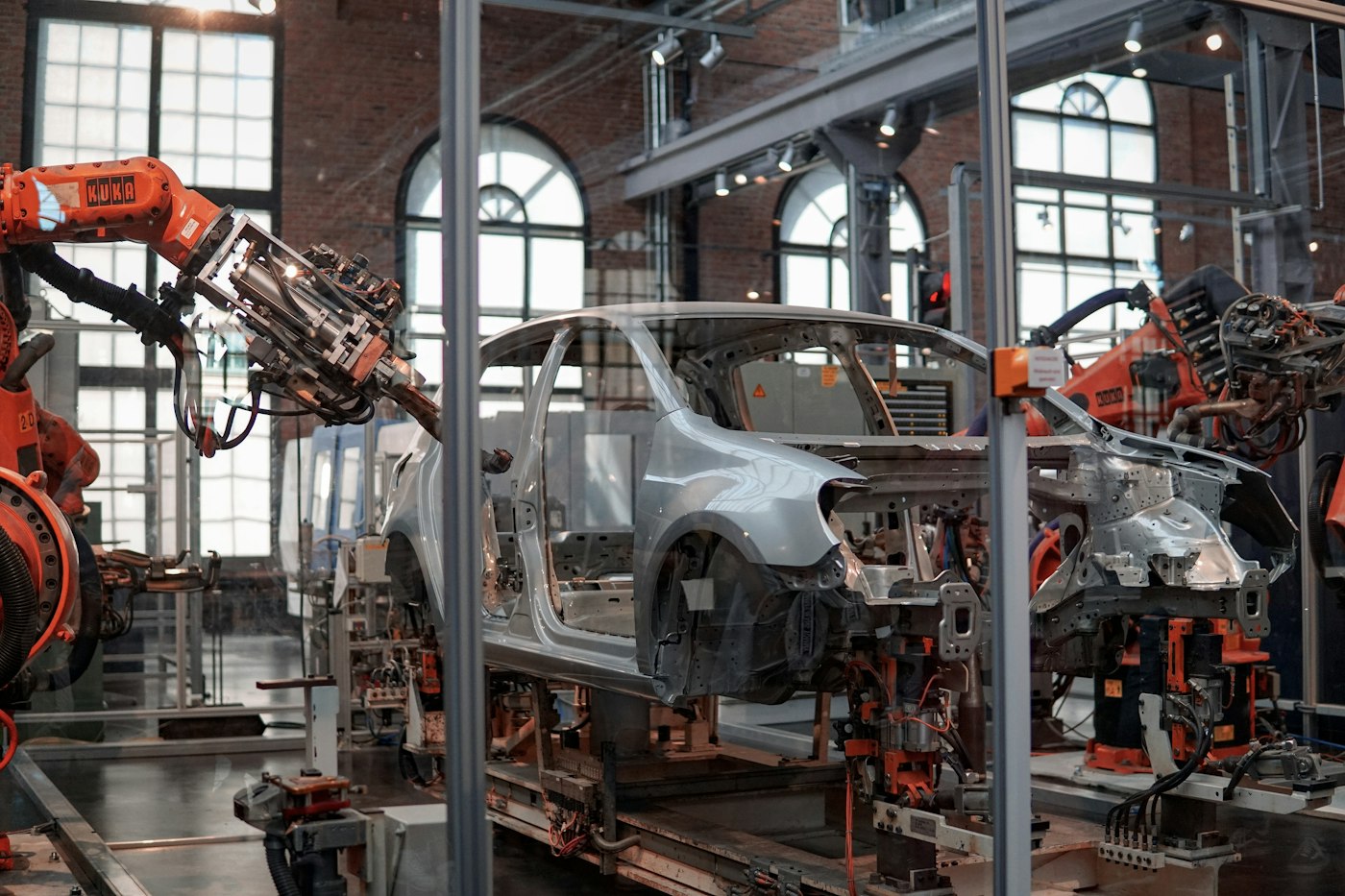
Electrification, software-defined vehicles and automated manufacturing are reshaping what automotive employers look for. A strong foundation in mechanics still matters, but graduates who also understand power electronics, embedded systems or data-driven testing are pulling ahead.
We build these trends into every recommendation, so the program you choose today still makes sense when you graduate.
Your advisor has studied engineering and can explain thermodynamics, CAD or vehicle dynamics in plain language.
Every session ends with documented actions, owners and dates, so you always know what happens next.
We do not take commissions for steering you to a particular institution. Recommendations follow your profile.
We track intake windows, test registrations and scholarship cut-offs on one shared timeline.
We help with offer comparison, pre-departure or pre-enrolment preparation and first-semester study planning.
Parents and guardians receive clear summaries, because big decisions are rarely made alone.
The goal
Yes, though they overlap. Mechanical engineering is broad and covers machines of every kind, while automobile engineering focuses on vehicle design, powertrains, chassis, safety and manufacturing. Many students start with mechanical engineering and specialise later. We help you decide which route suits your goals and the programs available to you.
Ideally twelve to eighteen months before your intended intake. That gives enough time for entrance test preparation, document gathering and scholarship applications. If your deadline is closer, we build a compressed plan and tell you honestly what is achievable.
No responsible advisor can guarantee admission, because final decisions belong to institutions. What we guarantee is a thorough, well-organised application and preparation that gives you the strongest possible chance.
Most engineering programs require mathematics and physics at a qualifying level. If you lack them, we map bridging courses, foundation years or diploma routes that can lead to a degree later.
Absolutely. Many families attend together, and we send a written summary after every session so everyone works from the same information.
You pay for the service you choose, with the scope and fee agreed in writing before any work starts. Our first consultation is free.